
-
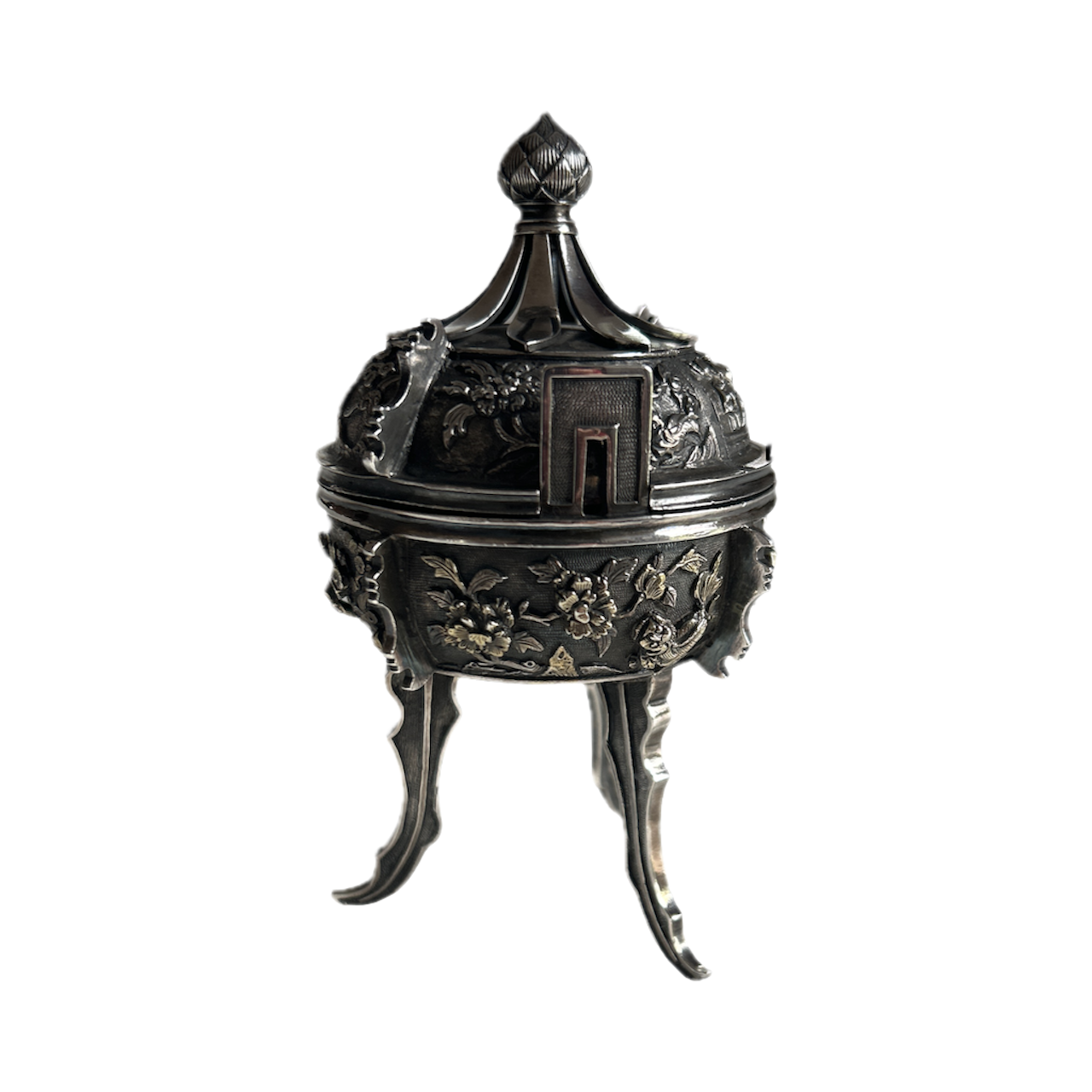
Bonhams Auction L A. 20 - 29 JUNE 2026 Sold for US$3,840 inc. premium. Late Qing
-
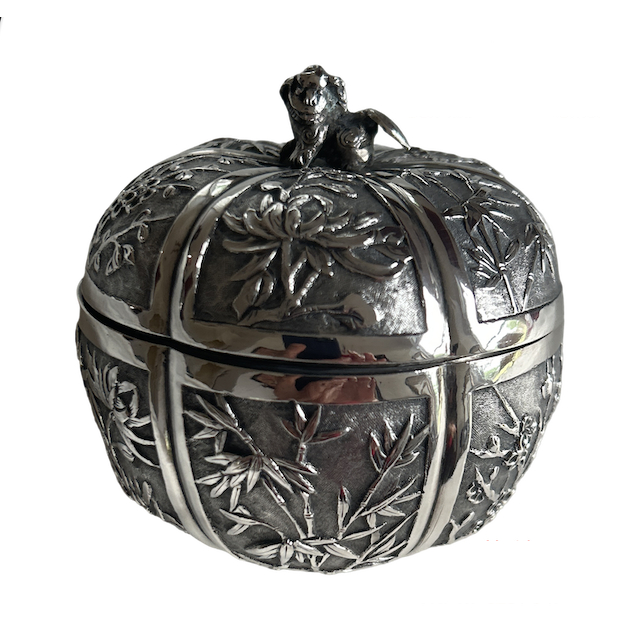
Bonhams Auction L A. 20 - 29 JUNE 2026 LA Sold for US$1,536 inc. premium
-
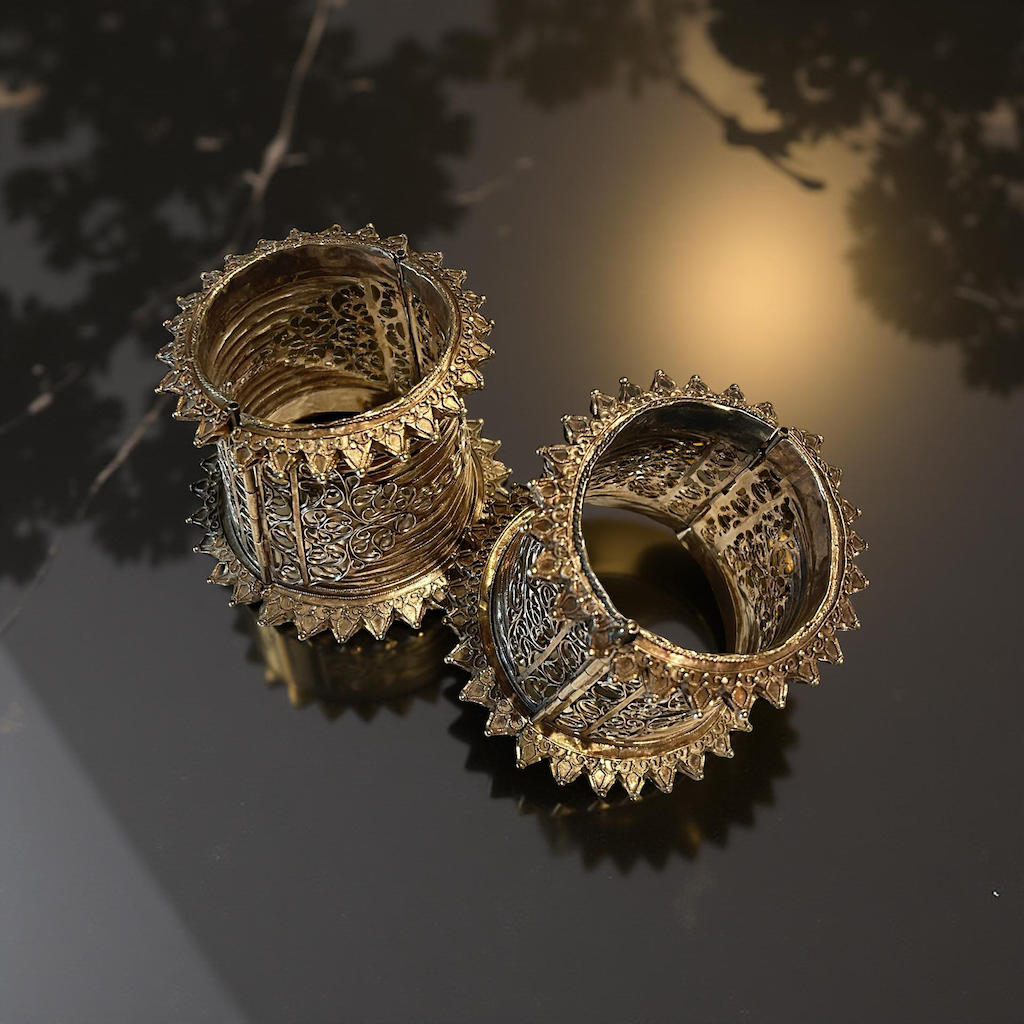
Bugis gold cuffs.
-
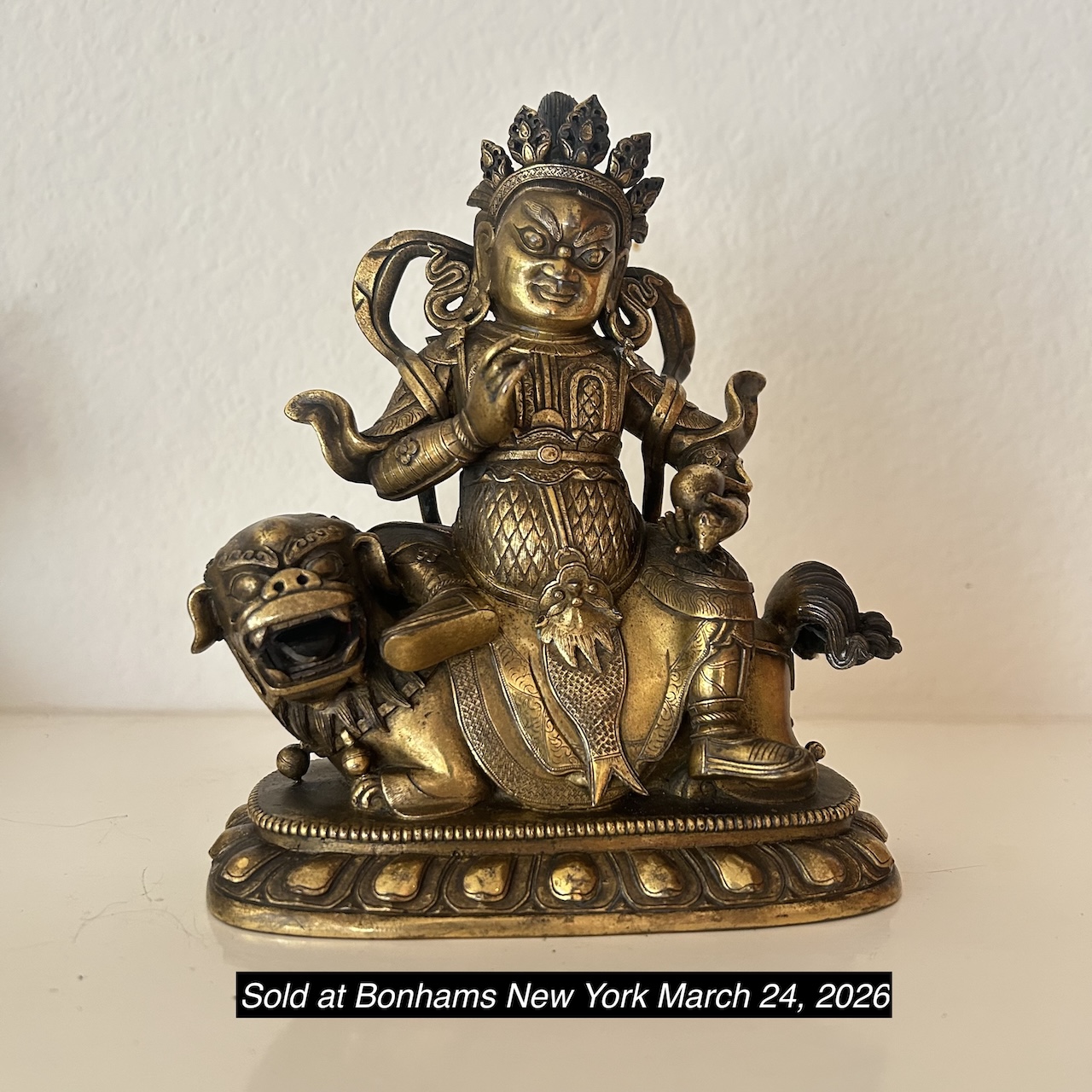
A gilt copper alloy figure of Vaishravana. Qing Dynasty 18th century
-
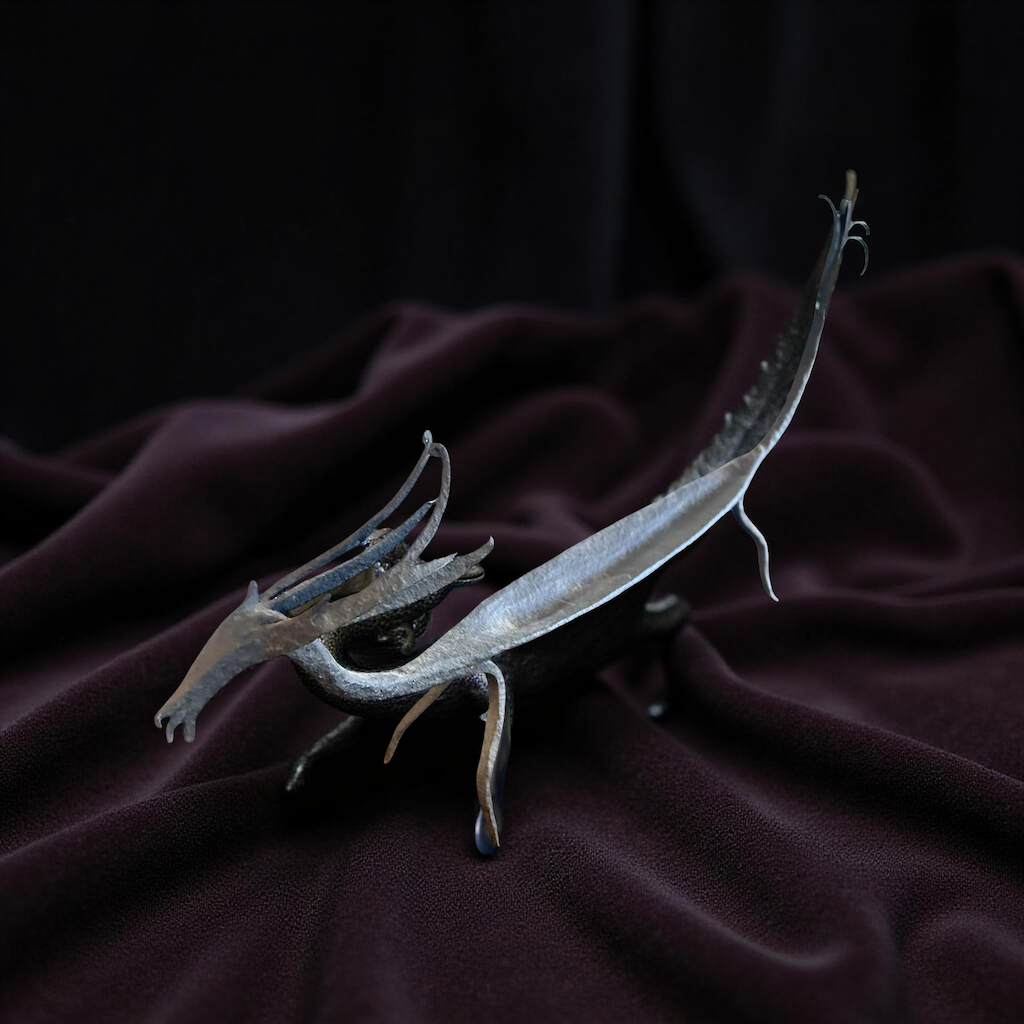
Sihung Lampung Sumatra
-

Palepai ship cloth Lampung South Sumatra
-
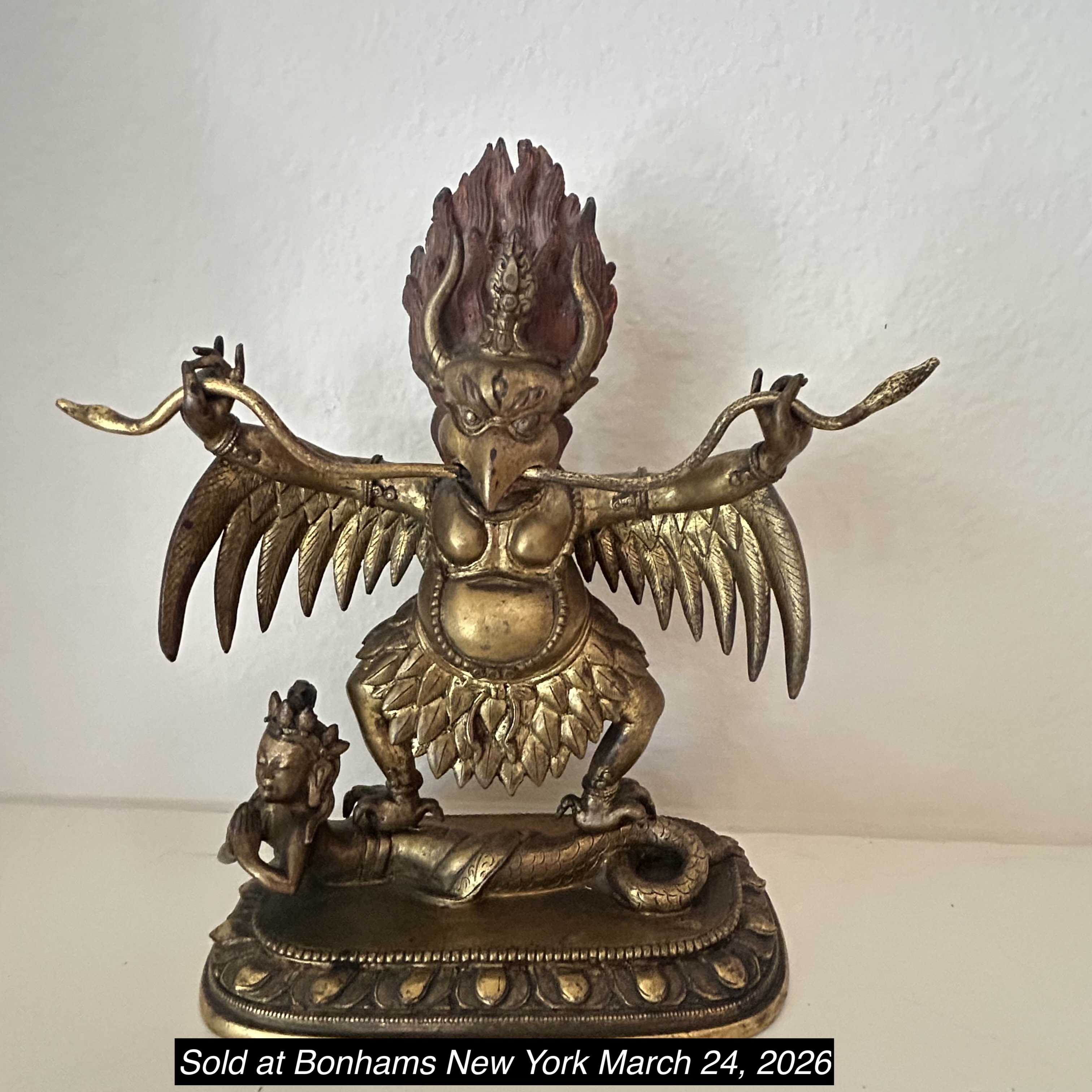
A gilt copper figure go Garuda. Qing Dynasty 18th century
-

Wavy blade dagger hilt Java 19th century
-
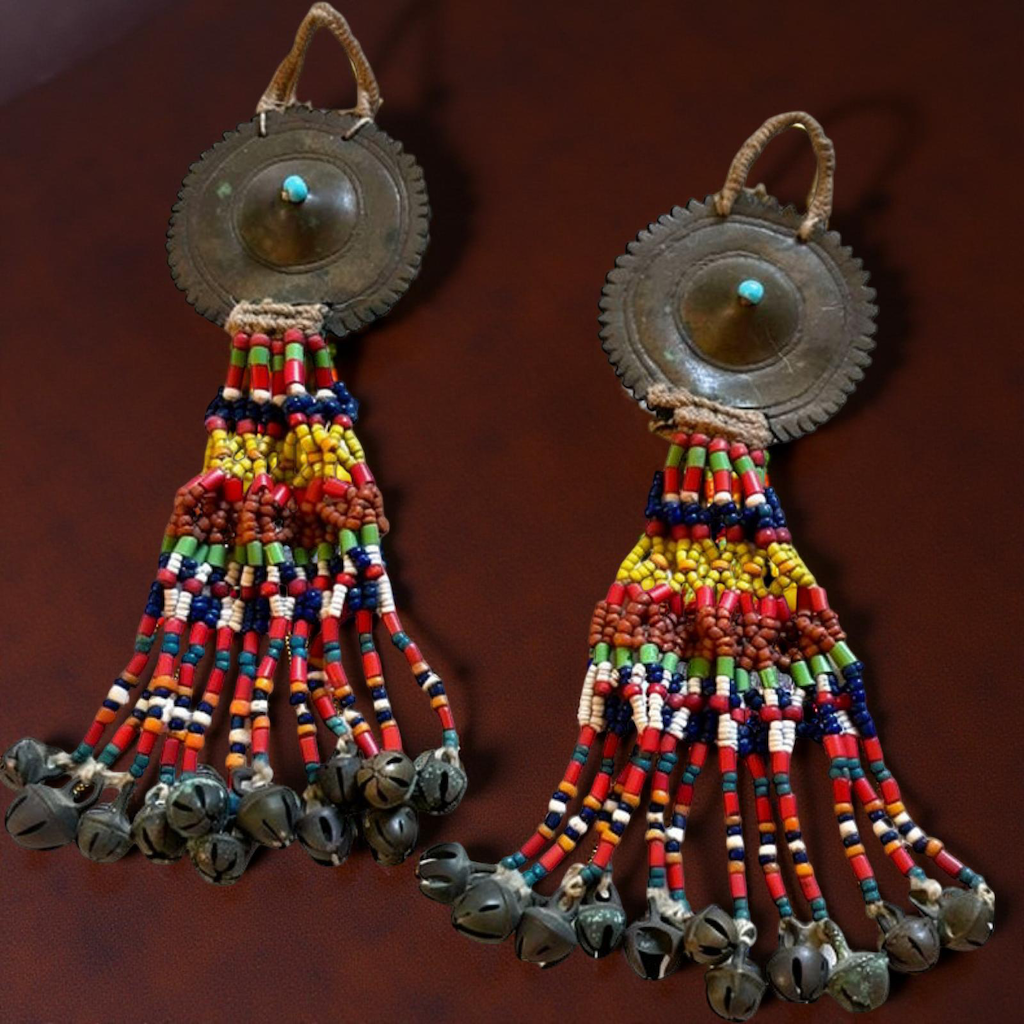
Ear ornament Nagaland India 19-20th century
Dutch-made Chevron Bead. 17th Century
-
Flower motif silver curtain tie-back hooks
-
Birds on a basket silver hooks
-
Sea bird perched on an anchor silver curtain tie-back hooks
-
Leaves and flower silver tie-back hooks
-
Heart shape flowers and leaves silver tie-back hooks
-
Morning glory silver tie-back hooks
-
Open work silver ornaments for fragrant flowers. Baba Nyonya Indonesia 19th century
-
Engraved floral scroll on a pillar silver tie-back hooks
-
Dragon motif silver hooks with incised Daoist and the eight treasures emblems
-
Bells and dragon silver hooks
-
Silver ornaments for fragrant flowers. Indonesia 19-20th century
-
Silver Bolster plates for the bridal bed. Baba Nyonya Indonesia 1930's
-
Six bamboo tobacco boxes and a carved bamboo spool. South East Asia
-
Iban's hand woven bamboo hats. Sarawak Borneo
-
Laotian lacquered basket tobacco boxes
-
Nagaland bamboo rice wine pitcher
-
Rattan strips woven (tempat sirih) basket Lampung South Sumatra 1930's
-
Blood Stone (Chalcedony) Necklace
-
Tiger Claw Gold Amulet (Minangkabau People) Sumatra,19th Century
-
Indo-Pacific Glass Beads Necklace. Indonesia (200BC-1300AD)
-
Dutch-made Chevron Bead. 17th Century
-
Bodhi Seeds Mala (Tibet)
-
Ethnic style necklace with antique silver and semi precious stones
-
Tiger's eye bead necklace with old silver spacers.
-
Four lines tiger's eye necklace
-
Fresh water black pearl with contemporary silver beads
-
Smokey quartz with 18k gold
-
Coral lapis lazuli with silver and brass spacers necklace
-
Contemporary coral with garnet and 18 k gold necklace
-
Five lines of mixed ancient hand wound glass beads
-
Multi strands beaded necklace
-
Shiva gold pendant necklace with malachite and ancient orange glass beads
-
Indian silver necklace. Rajasthan India 1940's
-
A necklace inspired by Tuareg people. Sahara desert.
-
Tiger's eye stones with silver pendant.
-
Nagaland brass pendant necklace
-
Ancient bone whorl. Syria 7-11th century
-
Bone whorl. Syria 7-11th century
-
A strand of bone whorl. Syria 7-11th century
-
Bone whorl with a coin closure. Syria 7-11th century
-
Pre-Colombian spindle whorl. Peru
-
Silver, enamel and glass stone bracelet. Berbers Morocco. 1950's
-
Mauritania style silver bracelet. Mali, North Africa 1960's
-
Berber silver bracelet with enamel and carnelian stone. Morocco 1950's
-
Three Tuareg brass Kohl ornaments
-
Two Balinese betel nut cutters 1900's
-
Rajasthani cutters ( set of 3) India
-
Five Burmese betel nut cutters
-
Five Javanese betel nut cutters
-
Silver and coral earrings. Uzbekistan 1940's
-
Silver hoop earrings. Western Asia 1950's
-
Parcel gilt silver earrings. Uzbekistan 1950's
-
Bukhara head ornament. Uzbekistan 19th century
-
Silver and coral earrings. Uzbekistan 1950's
-
Antique silver earrings. Western Asia 1950's
-
Silver earrings. Uzbekistan 1950's
-
Silver earrings with coral beads. Uzbekistan 1950's
-
Silver hoop earrings. Rajasthan India
-
Silver gilded earrings. Uzbekistan
-
Antique silver earrings
-
Two antique silver rings. Central Asia
-
Chinese blue and white ceramics. Wanli period (1573-1619) Ming dynasty
-
Ching dynasty ceramic spoons.
-
Burmese Silver Alms Bowl,19th Century
-
Bugis People's Betrothal Cup. Indonesia. Late 18-19th Century
-
Bugis People Betrothal Silver Cup 19th Century
-
Bugis People Silver Betrothal Cup 19th Century
-
Silver Betrothal Cup (Bugis People) Sulawesi. Indonesia,19th Century
-
Acheh Style Silver Belt Indonesia,19th Century
-
Western style silver teapot
-
Hanuman and Suvannamachha silver boxes. Thailand 1920's
-
Burmese half moon shape silver lime box. 1920's
-
Laotian silver lime box. 1920's
-
'Gaus' Prayer Box Tibet. 1920's
-
Oval shape lime box made of silver. Burma 1920's
-
Burmese openwork (lion) silver lime box. 1920's
-
Finely decorated octagonal silver lime box. Burma 1920's
-
Linked silver belt. Rajasthan India 1920's
-
Sihung Lampung, Southern Sumatra 19th century
-
Boat-shape Sihung Lampung 19th century
-
Bronze opium weights. Burma 19th century
-
Tibetan silver Dhakya. 19-20th century.
-
Tibetan silver butter lamp. 19-20th century
-
Three Silver Modesty Plates (Capings) Bugis People. Indonesia,19th Century
-
Tibetan Ga'u. Copper, silver and coral. Pre-world war II
-
Tibetan Ga'u. Silver and copper. Pre-world war II
-
Tibetan Ga'u. Pre-world war II
-
Tibetan Ga'u. Pre-world war II
-
Hmong Soul Lock Pendant Incised with Flower Motifs from Laos. 19th-20th Century
-
Soul Lock Pendant. 'Hmong Hill Tribe' from Laos. 19-20th Century
-
Hmong soul lock pendant from Laos. 19-20th century
-
Enameled Pendant from Morocco,19th Century
-
Touareg Silver Amulet 'Tcherot' Circa 1950
-
'Kawaris' Silver Talismanic Disc, Sulawesi,19th Century
-
Agadez Silver Cross. (Tuareg People) Niger
-
Two Modesty plates (Capings) Bugis people. Indonesia 19th century
-
Hmong people soul lock silver pendant with chain. Laos 19-20th century
-
Three Hmong soul lock pendants. Laos 19-20th century
-
Three pairs of 'Kawari' silver talismanic disc. Sulawesi Indonesia 19th century
-
Turkoman people silver pendant inlaid with carnelian stone 19-20th century
-
Auspicious symbols silver neck ring. Southwestern China
-
Contemporary silver amulet box. Tibet
-
Silver gilded and filigree comb. Lampung, South Sumatra. 19th century
-
'SIGER' [Headdress] Lampung, South Sumatra, Indonesia 19th century
-
'Siger' Lampung headdress. South Sumatra 19th century
-
5 single-prong silver hairpins. Guizhou, Southern China 19th century
-
Tree of life "siger" Lampung 19th century
-
Phoenix crown headdress. Ching dynasty (1644-1912)
-
Solid silver neck ring, Nias island, Indonesia
-
Silver bracelet from South Sulawesi
-
Timorese silver bracelets, Timor, East Indonesia 1930's
-
Marangga silver pectoral, West Sumba Indonesia 19th century
-
'Bela' circular flat silver earrings. Flores Indonesia 1930's
-
Silver gilded earrings. Flores Indonesia 1930's
-
Four Atoni tribes silver bracelets. East Indonesia 1930's
-
Two silver bracelets. Sulawesi Indonesia 1950's
-
Brass anklet from Sumba Island. Indonesia 19-20th century
-
Peranakan wooden lacquer spoons. Palembang Indonesia 19-20th century
-
Eight lacquer wares, Palembang Indonesia
-
Javanese belt buckles circa 1950s
-
Javanese man's belt buckle 1950's
-
Hmong minority silver bracelet. Northern Thailand 1950's
-
Hmong minority silver neck ring
-
Hmong minority spiral silver bracelet 1950's
-
Spiral silver bracelet Hmong people Northern Thailand 1950's
-
Silver needle cases. Southwest China. Ching Dynasty 1644-1911
-
Two silver needle cases. Southwestern China.
-
Two silver lime boxes. Thailand. Circa 1940
-
Nagaland Multi-Strand Glass-Bead Necklace (Pre-W.War Two)
-
Multi-Strand Deep Blue Glass-Bead Necklace. Nagaland ( Pre-W.War Two)
-
This necklace consist of 98 strands of very fine turquoise glass beads imported from Czechoslovakia or Venice produced in late 19-20th century. The necklace is interwoven at their terminals and is closed by a coin button and a loop .
-
Sky Blue Nagaland Beaded Necklace. North-East India (Pre-W.War Two)
-
Brass Heads Chest Ornament Nagaland (Pre-W.War Two)
-
Tamang people silver ear ornaments Nepal
-
Korma silver brooch inlaid with turquoise Bhutan. 1930-1940's
-
Silver "Korma" brooch from Bhutan 1930-1940's
-
Korma silver brooch Bhutan 1930-1940's
-
Multi strands Red bead necklace from Nagaland. North East India 1940's
-
Turquoise color multi strands beaded necklace. Nagaland India. 1940's
-
Deep blue multi strands necklace. Nagaland India 1940's
-
Multi strands glass bead head ornament from Nagaland India 1930-1940's
-
Multi strands beaded head ornament. Nagaland India 1930-1940's
-
Etched animal bone. Nagaland India 1930's
-
Tibetan silver spoon 1930's
-
Amber ear plugs. Mizoram North East India 19-20th century
-
Angami tribe conch shell neck ornament. Nagaland North East India 19-20th century
-
Angami Naga ceremonial necklace. Nagaland India 19-20th century
-
Konyak Naga girdles Nagaland. India 19-20th century
-
Tinder pouch. Mongolia 1910-1920's
-
Tinder pouch. Mongolia 1950's
-
Tinder pouch. Tibet 1910-1920's
-
'Wancho' tribe Naga Ear plugs. India !930's
-
Tibetan Iron stamps. 19th century
-
Tibetan silver earrings. Tibet 1930's
-
Two antique Tibetan brass sutra tubes. Tibet 1940's
-
Tibetan brass Ga'u box 1940's
-
Konyak brass armlet. Nagaland N.E. India 1930's
-
Two wooden Bhutanese embroidery tools. 1930's
-
Bugis people silver betel leaves container with gold sheet. Sulawesi. 19th Century
-
Silver betel leaves holder. Early 20th century. Java
-
Thai betel leaves holder. Early 20th century
-
Thai silver betel leaves holder. Early 20th century
-
Chinese exports betel leaf holder
-
Four open ends betel leaf containers 1950's Sulawesi Indonesia
-
'Kraton' (Royal court of Java) betel leaf container Java 1930's
-
Silver Betel Cups (Makassar) Indonesia. Circa 1920's
-
Silver Betel Cups (Makassar) Indonesia. Circa 1920 's
-
Lotus shaped box from Palembang Indonesia circa: 1930s
-
Betel nut set Palembang Indonesia 1920's
-
Five silver boxes Makassar and Palembang 1920's -1940's
-
Six round floral motif silver boxes Makassar 1930's- 1950's
-
Five silver stemmed round shape boxes Makassar 1930's-1950's
-
Three Thai Silver Cosmetic Boxes circa 1940s
-
Five indo china silver cosmetic boxes
-
Gilded silver ornaments Indonesia circa 1930s
-
A pair of silver glass holder. Makassar 1920's
-
Bugis Style glass holder Makassar 1920's
-
A set of three silver glass holder Makassar 1920's
-
Incised floral scroll on plain silver Java 1950's
-
Victorian sterling silver chain mail bag. 1800's era
-
Plain silver lime container.Timor Indonesia.1940's
-
Silver Tobacco Box (Batak People) North Sumatra Indonesia,19th Century
-
Silver Tobacco Box (Batak People) North Sumatra,19th Century
-
Tobacco and lime silver box. Batak people Sumatra. 19th century
-
Grooming tool set silver tobacco box Sumatra. 19th century
-
Large silver tobacco box with attached gold sheet on the top. Bugis people S. Sulawesi Indonesia
-
Bugis people tobacco box with gold on the top. 19th century
-
"Celapa" Silver tobacco box Bugis people. Sulawesi Indonesia 1940's
-
A pair of Sindhi silver bracelets India 1930's
-
Punjabi bracelet
-
Sindhi silver cuffs 1930's
-
Silver cuffs from Sind province
-
Sindhi horse shoe-shaped silver bracelet
-
A pair of solid silver bracelets from Sindh Pakistan 1920's
-
A pair of solid silver bracelets from Sind Pakistan 1920's
-
Afghani open work silver cuffs
-
Gujarati silver cuff 1930's
-
Partially enameled silver cuff, Sind Pakistan 1920's
-
A pair of silver cuffs Afghanistan 1940's
-
Single Afghani silver cuff 1930's
-
A pair of silver cuffs Afghanistan 1940's
-
A plain and spikes design silver cuff Sindh Pakistan 1920's
-
A engraved Sindh silver bracelet 1920's
-
A stylized animal head finials silver bracelet Sindh Pakistan 1920's
-
A ribbed diamond pattern silver cuff from Sindh Pakistan 1930's
-
A pair of silver cuffs. Sindh Pakistan 1920's
-
One silver cuffs decorated with three flowers. Sindh Pakistan 1920's
-
A solid silver etched silver bracelet. Baluchistan 1920's
-
Balouchi sunburst motif crescent silver neck ring. Western Pakistan 1950s
-
Solid silver neck ring from Sind, Pakistan
-
Kuchi people silver torque ring. Afghanistan 1950s
-
Herati silver neck ring. Herat, North-western Afghanistan 1950s
-
Afghan Pashtun bridal silver neck ring. Kabul or Kandahar 1950s
-
Pashtun court silver neck ring. Afghanistan 1950s
-
Afghani tribal silver neck ring 1950's
-
Solid silver neck ring, Afghanistan 1950
-
Pashtun gold-foil wrapped solid silver torque. Swat or Chitral valley. 19th century Pakistan.
-
Pashtun wedding torque, gold-foil wrapped solid silver. 19th century
-
Pashtun gold-foil wrapped wedding torque. 19th century Pakistan
-
Gold-foil wrapped solid silver neck ring. 19th century Pakistan
-
Swat valley heirloom. 19th century Pakistan
-
Pashtun gold-wrapped heirloom silver neck ring. 19th century Pakistan
-
Kutchi silver necklace Kachchh region. Gujarat India 1950's
-
Kuchi nomadic German silver necklace. West Pakistan 1960's
-
A pair of Turkoman bracelets Central Asia 19th - 20th cent
-
Two tier silver and carnelian bracelets Central Asia 19-20th cent
-
Two-Tiered Parcel gilt silver and carnelian bracelets Central Asia 19-20th cent
-
Three-Tiered Turkoman Silver Bracelets Central Asia 19-20th cent
-
Three-tiered oblong shape carnelian stones silver bracelets 19-20th cent
-
Single three-tiered Turkoman bracelet Central Asia 19-20th cent
-
Three-Tiered Bracelets with Two Bands of Circles
-
Chiseled Plain Silver Bracelets
-
Single silver Turkoman bracelet 19-20th cent
-
Women's Coat Fasterners 'Tchapraz'
-
A pair of Turkoman silver bracelets inlaid with eye shape carnelian stones 19-20th cent
-
A pair of two tier Turkoman silver bracelets Central Asia 19-20th cent
-
Single three tier Turkoman bracelet Central Asia 19-20th cent
-
One Turkoman silver bracelet Central Asia 19-20th cent
.jpg)
Chevron beads has been more popular than any other beads. First invented by the Venetians in the 16th century, these beads are still in production today. The Dutch also manufactured chevron beads throughout the 17th century.
Chevrons are drawn-glass bead formed by forcing or blowing multiple-layered glass into a tapered corrugated mold, hence creating points on its outer surface. This process is then repeated by covering more glass layers of various colors. Finally stripes are applied to the surface and while the glass is still soft, it is then drawn into a cane of six feet long, cooled and finally sectioned into beads. They are then ground to produce a more finished product.
This necklace terminates with a bead and loop closure.
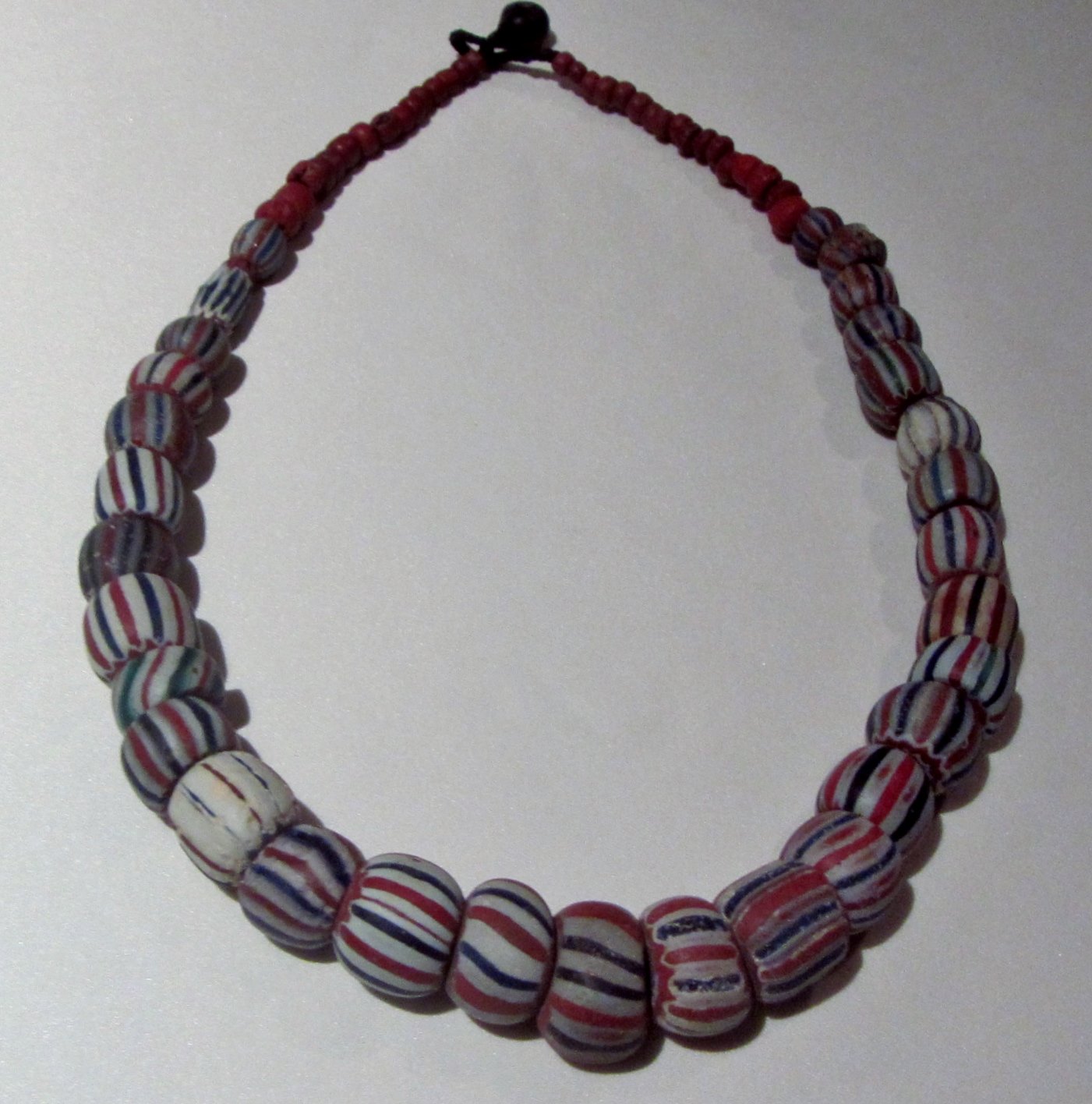
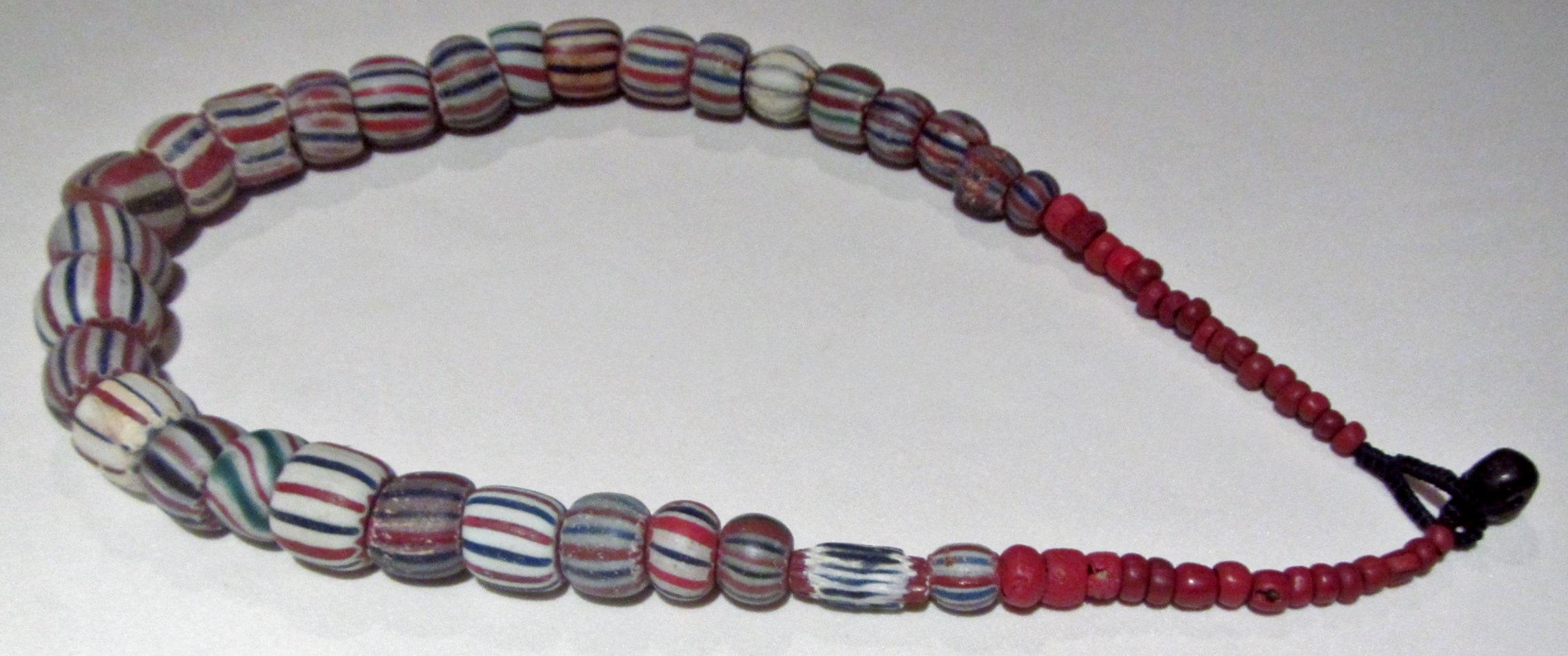
Height: 46cm
Weight: 100g
Code: Hmao